

How should a diplomat choose a suit?
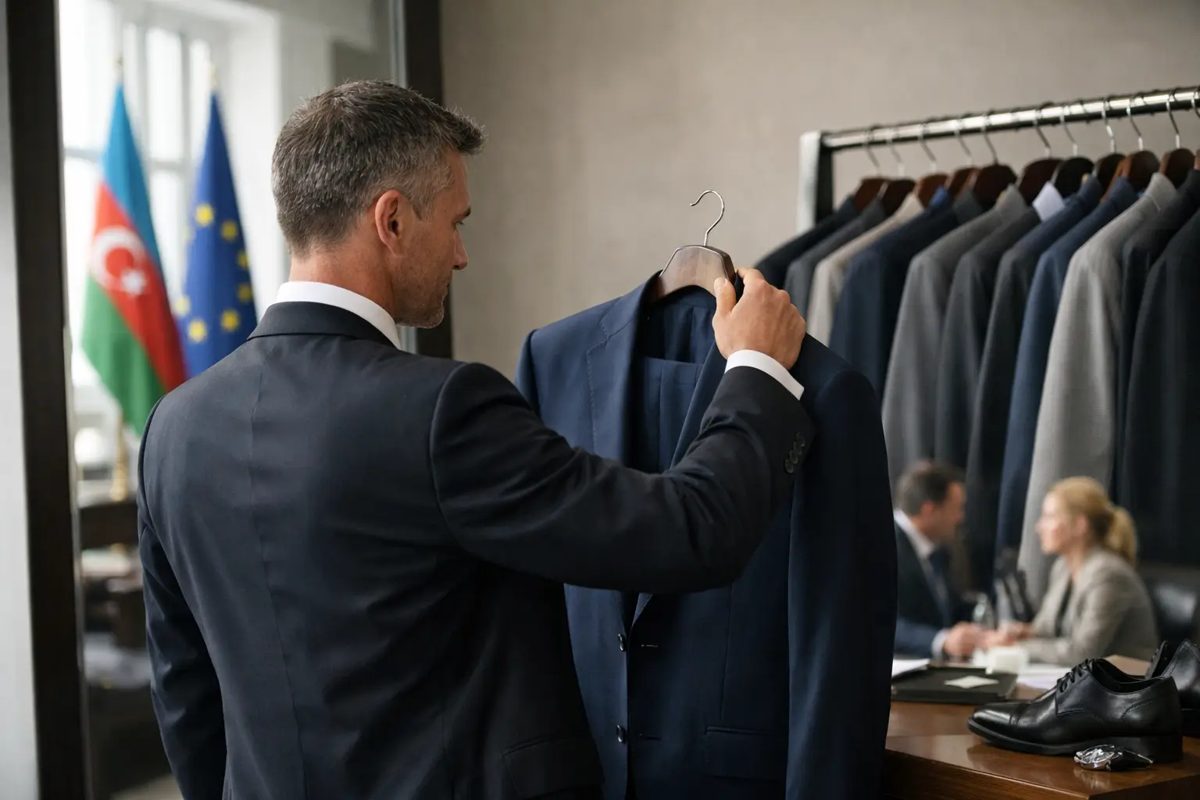
At a reception, a bilateral meeting or in front of the press, the first impression is often formed before the introductions. For diplomats a suit is not simply formal dress; it is a frame that silently expresses the country, the institution and personal professionalism. For this reason the choice should begin not with eye-catching fashion, but with fit, cloth, colour and suitability to the occasion.
The strength of a diplomatic wardrobe lies not in the status it displays but in a precision that tries to prove nothing. A properly tailored suit does not step in front of the man; it complements his manner of speaking, his position and his restraint. The smallest flaw in construction, however, can become noticeable over a long day of meetings or in front of the cameras.
The message a suit sends
In a diplomatic setting, dress is the visible part of etiquette. An overly tight cut, shiny cloth, large logos and sharp accessories can draw attention away from the substance of the discussion. By contrast, a correct shoulder line, a clean-sitting collar and a calm palette create a sense of reliability.
The aim here is not to eliminate individuality altogether. Individuality should be felt in the texture of the cloth, the choice of buttons, the proportion of the lapel and the way the suit sits on its owner's body. This is a quality noticed only at close range, yet it raises the overall impression.
The function of the suit also changes with the occasion. A navy two-button model chosen for a morning meeting may look equally appropriate at an embassy reception in the evening. But where state protocol, the dress code of the invitation and the venue dictate a more formal choice, a dark charcoal suit and more restrained accessories take precedence.
Cut and proportion in a suit for diplomats
The main limitation of ready-to-wear suits is that size is expressed as a number. Two men with the same chest measurement may differ in shoulder width, neck structure, waistline and posture. For a diplomat, staying comfortable throughout the day, keeping the cut intact when sitting and standing and having the shirt collar stay in place are as much practical matters as aesthetic ones.
In a good suit the shoulder seam ends at the natural point of the shoulder. There should be no puckering or drooping at the shoulder. The chest of the jacket should sit close to the body without looking strained, and no horizontal lines should form in the cloth when the button is fastened. The waist can be shaped subtly, but an excessively tight silhouette is not appropriate for a diplomatic setting.
The length of the trousers also sets the overall rhythm. Trousers that pile heavily on the shoe leave an old-fashioned, untidy impression. An excessively short leg, on the other hand, can look casual and trend-driven. A slight break, or almost no break with a clean line, is the most universal choice.
One button, two buttons or three?
For most diplomatic wardrobes the two-button jacket is the most balanced option. It looks both formal and well proportioned on a variety of builds. A one-button model can give an elegant result at evening events or on men with a long, lean silhouette. The three-button jacket, though classic in character, needs to be made in the right proportion.
The choice of lapel is part of this decision too. The notch lapel is a safe and tasteful choice for everyday formal meetings. The peak lapel is more formal and expressive, but its width and angle should be matched to the structure of the face, the height of the wearer and the character of the event.
The choice of cloth begins with climate
The weight, weave and composition of a cloth matter as much as its name. In a climate like Baku's — windy, dry and sharply changing from season to season — choosing a single cloth for all four seasons is not always ideal. Nevertheless, a high-twist wool in the 240-280 gram range can form a practical basis, especially for a diplomat who travels often.
The wools of mills such as Loro Piana, Dormeuil, Piacenza 1733, Scabal, Reda, Drago and Zegna are not chosen for their names alone. Their advantage lies in the quality of the fibre, the depth of colour, their behaviour under creasing and their ability to hold shape over time. A jacket that recovers quickly after being taken out of a travel bag is a noticeable advantage on a day of protocol.
In the summer months, open-weight wool, wool-mohair blends or high-quality fresco weaves improve the circulation of air. Mohair gives a suit a drier, crisper line and resists creasing, but in a very hot climate not everyone will find its handle comfortable. For those who want a softer, more natural drape, a fine wool is more suitable.
A touch of cashmere can give the jacket softness and depth, but in a business suit its share should be measured. A cloth with a lot of cashmere can be more delicate in intensive daily use, and may show wear quickly at the knees and elbows in particular. In a diplomat's wardrobe, durability is often worth more than softness at first touch.
Restraint in colour and pattern
For the first two or three suits, navy and charcoal grey are the principal choices. Navy looks alive, trustworthy and deep in a variety of lighting conditions. Charcoal grey is a strong alternative, particularly for formal daytime events, protocol meetings and conservative settings.
A black suit is not the universal answer to every business meeting. It is usually more appropriate for mourning, very formal evening events and a specific dress code. In the everyday diplomatic wardrobe, black can harden the expression of the face and lose detail in photographs.
If a pattern is chosen, its scale should remain quiet. A tone-on-tone pinstripe, a fine glen check or a micro-texture that reads as plain from a distance gives a suit character. Wide stripes, high-contrast checks and bright blue tones may create a certain personal style, but they are not equally reliable in every diplomatic situation.
A whole completed by shirt, tie and shoes
However fine the suit, a shirt whose collar does not sit properly can weaken the overall look. White and light blue shirts form the basis of a diplomatic wardrobe. The height of the collar should be set to the structure of the neck, and the sleeve length so that roughly one centimetre shows beyond the jacket cuff.
In a tie, the dense, lively weave of Como silk, especially in a seven-fold construction, creates a quiet but distinguished quality. Dark navy, burgundy, forest green and finely textured grey tones offer wide scope for combination. The knot of the tie should be in proportion to the spread of the jacket's lapels; too large a knot can crowd a refined shirt collar.
In shoes, the black Oxford is the most formal option. A dark brown Derby or Oxford looks softer with navy and grey suits, yet still sufficiently formal. The leather should be clean, the shape simple and the shine measured.
What does bespoke tailoring change?
The difference between the bespoke and made-to-measure approaches lies at the level of construction, but in both cases the core value is the personal consultation. A choice made without considering the diplomat's working schedule, the frequency of his travel, his body proportions, the events he usually attends and the conditions of the climate remains incomplete.
In the bespoke measuring process, it is not only the chest and waist that are measured. The slope of the shoulders, the natural position of the arms, the shape of the back, posture and even daily habits of movement influence the decisions of the cut. Small corrections made at the first fitting remove the problems accepted as compromises in ready-to-wear.
It is precisely for this reason that the consultation-based approach at Atelier Baku 1984 is valuable: the decision made in front of the cloth book is not merely a choice of colour. It determines the circumstances in which the suit will be worn, how many seasons it will serve and what role it will play in its owner's personal style.
A good diplomat's suit does not announce itself at first glance. It gives comfort at the right moment, keeps its shape through a long day and allows its owner to direct his attention not to his clothes, but to the conversation in front of him.