

Criteria for Choosing a Wedding Suit
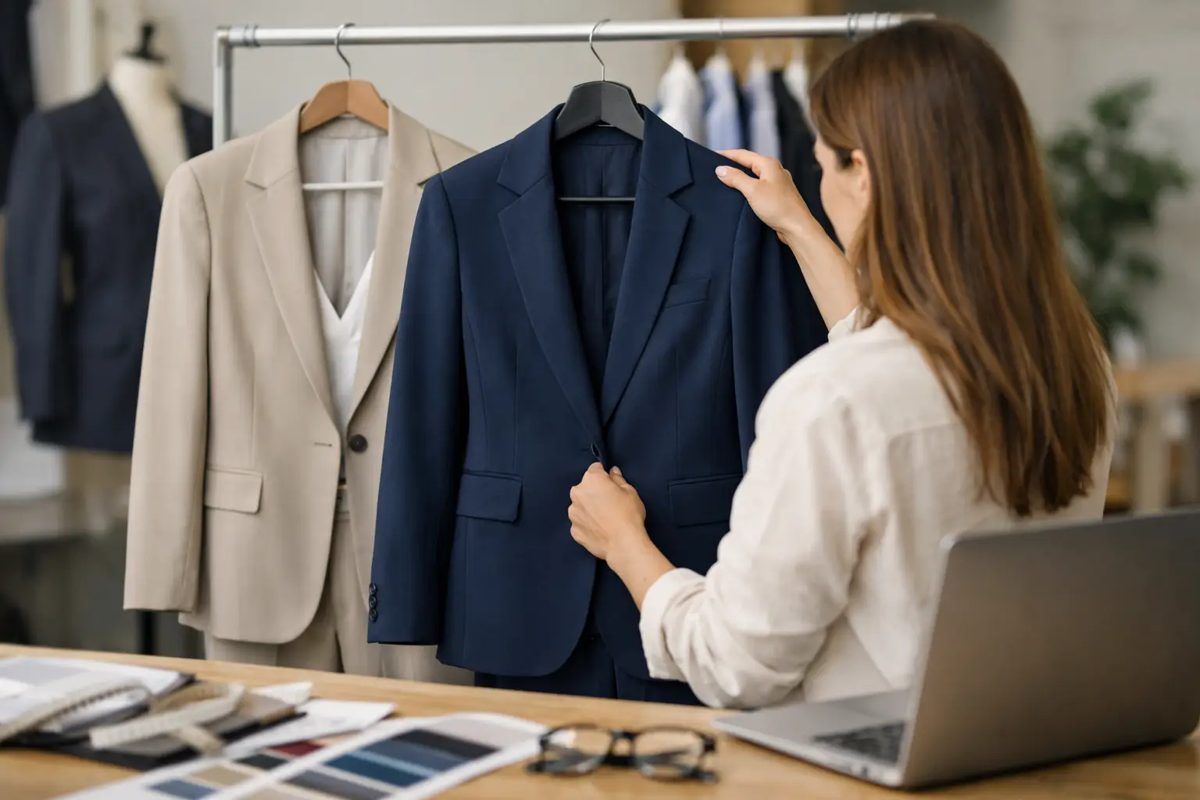
On the wedding day, the groom’s suit should do more than merely conform to the dress code of the ceremony. It must remain comfortable throughout the day, create a clean silhouette in photographs and express its wearer’s character quietly but precisely. The right wedding suit, therefore, is not simply a choice of colour and model — it is a balanced decision about cloth, construction, fit and the setting of the ceremony.
A ready-made suit may at first seem an economical and quick solution. But on the wedding day, the set of the shoulder line, the break of the trousers, the strain across the chest of the jacket and the relationship between the collar and the shirt all become more visible. A bespoke cut, taking the proportions of the body into account, unites these details in a single coherent look.
How is a wedding suit determined?
It is more correct to begin the choice of a wedding suit not from the model but from the character of the occasion. A daytime ceremony in a city restaurant and an evening reception held in a historic venue do not call for the same language of dress. The season, the lighting of the venue, the level of dress among the guests and the groom’s everyday style should be considered together.
A classic navy suit is very often the most reliable choice. It does not look as severe as black, keeps its depth in daylight and creates a clear, clean contrast with a white shirt. At more formal ceremonies held in the evening, a black or midnight blue tuxedo (dinner jacket) may be more appropriate. Here the essential difference shows in the lapel of the jacket, the choice of buttons, the side stripe of the trousers and the details of the shirt.
Light grey, sand or pale blue tones are an elegant alternative for spring and summer weddings. That said, these tones depend more heavily on the venue and the light. A suit that looks very successful in the open air, at a seaside venue and in daylight can appear washed out under weak hall lighting. The choice should be made not in front of the cloth book but with the real atmosphere of the wedding in mind.
The groom’s silhouette takes priority
The name of a suit or its fashionable cut is no guarantee that it will look right on the body. On a broad-shouldered man, a cleaner jacket with a softer construction may look natural. On a slimmer build, a correctly placed shoulder, a defined waistline and a high-quality chest construction create a more balanced silhouette.
The shoulder of the jacket should end where your own shoulder ends. The collar should sit closely against the shirt collar without leaving a gap between them. When the button is fastened, there should be no strain across the stomach and no horizontal folds at the back. These seemingly small signs show why bespoke tailoring makes a difference.
The shape of the trousers is equally important. Trousers that are too narrow restrict movement on the wedding day and look uncomfortable after a few hours. An overly full shape, on the other hand, disturbs the order created by the jacket. The rise of the trousers, the width at the thigh and the break over the shoe should be adjusted to the groom’s height, the model of the shoe and the overall style chosen.
Cloth defines the character of a wedding suit
In a wedding suit, cloth is not merely a question of texture. It determines how the suit will hold through the day, how it will look in the light and how comfortable the groom will remain. Glossy synthetic blends may attract attention at first, but in photographs they frequently create unwanted reflections and do not fold naturally.
High-quality wool cloth remains the principal choice for a wedding. Wools in the range from Super 110s to Super 130s strike a practical balance between an elegant appearance and the retention of shape. A very fine, high-count cloth can feel softer and more luxurious, but it demands more delicate handling. If you intend to use the suit in your business wardrobe after the wedding, a medium-count wool is the more considered choice.
For summer weddings, blends of wool, silk and mohair give a lively but measured lustre. Linen blends are breathable and comfortable, but their natural tendency to crease must be accepted. A linen suit is chosen not for flawless smoothness but for relaxed, natural elegance. If that aesthetic does not suit you, a light tropical wool is more appropriate.
In the collections of cloth houses such as Loro Piana, Dormeuil, Scabal, Drago and Zegna, the difference lies in more than the brand name. The quality of the yarn, the density of the weave, the weight of the cloth and the depth of the colour all influence how the suit behaves. When selecting cloth, an experienced tailor asks not only about the colour card but also about the date of the event, the temperature of the venue and the plans for the suit’s later use.
How colour behaves in photographs
The most successful colours in a wedding album are usually deep, neutral tones that are not excessively bright. Navy, charcoal grey, midnight blue and soft earth tones give reliable results in both natural and artificial light. A black suit looks formal, but it reads more correctly when it is built as a tuxedo or a special evening ensemble rather than as a classic business suit.
The choice of pattern calls for restraint. A micro-textured cloth, a fine herringbone or a very faint pinstripe can create character at close range. But large checks, sharp stripes and high-contrast patterns draw attention away from the facial expression and the overall silhouette in wedding photographs. The groom should be seen in the suit, not behind it.
The degree of formality shows in the details
The choice between a one-button and a two-button jacket is linked to personal proportion. The one-button model gives a more elongated, clean look, while the two-button jacket creates a natural, universal balance for most men. Double vents at the back are practical in terms of ease of movement. A ventless model may look more formal, but it requires more attention when sitting and standing.
The type of lapel is one of the essential details that define the language of the occasion. The notch lapel is classic and versatile. The peak lapel visually strengthens the shoulder, creates a more ceremonial impression and is considered a particularly elegant choice for the wedding day. The shawl lapel is the more festive solution intended for the tuxedo.
Shirt, tie and shoes should not be considered apart from the suit. A clean white or light cream cotton shirt is the safest foundation. In the tie, the deep, lively weave of Como silk can lend the necessary richness to a simple suit. The main rule is that cloth and accessories should not compete with one another. A navy suit, a white shirt, a silk tie with a measured pattern and well-polished black or dark brown shoes are very often the most memorable choice.
A timeline for the bespoke order
A wedding suit is not a garment to be ordered in haste. At the first meeting, alongside the body measurements, the posture, the natural set of the shoulders, everyday habits of movement and the desired silhouette are assessed. Then the cloth, construction, lapel, pockets, lining and buttons are chosen. The subsequent fittings serve to check that a decision that looks right on paper also works correctly on the body.
The soundest approach is to arrange a meeting several months before the wedding date. This allows the cloth to be considered without hurry, several fittings to be held where necessary, and complementary pieces such as the shirt, shoes and tie to be reviewed together with the suit. If a noticeable change in body weight is expected, the final adjustment should be carried out at a date closer to the ceremony.
At Atelier Baku 1984, the wedding suit order is built on this logic: measurements, cloth and cut are evaluated not as separate decisions but as a single composition tied to the groom’s movement through the day and the character of the ceremony.
The moment you no longer have to think about what you are wearing on your wedding day is the moment the right choice has been made. The suit does not constrain you, does not ask for attention and takes its place naturally in every frame. That, precisely, is the most precious detail.