

How to Choose Zegna Wool Cloth for a Suit
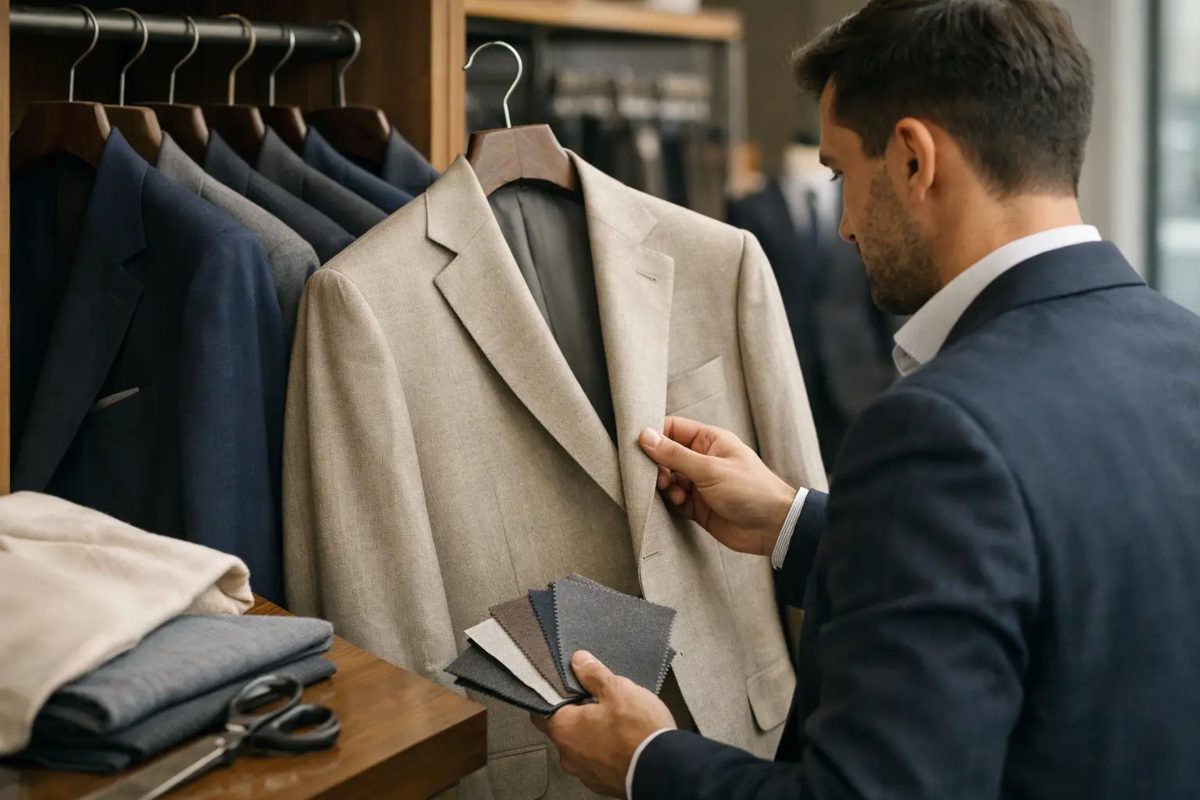
The impression a suit makes at first glance very often begins with the cloth, before colour or cut. In this respect, Zegna wool cloth is not simply a recognised name — it is a choice that determines how the suit stands on the shoulder, how it breathes through the day and how well it keeps its shape years later. Chosen correctly, this cloth creates a calm, convincing appearance that adapts to its wearer’s movement.
Because Zegna cloths are offered in such a wide range, the most correct choice is not made merely by looking at a colour in the catalogue. The working schedule, the climate of Baku, how often the suit will be worn, the build and the expected visual effect must all be considered together. The advantage of bespoke tailoring lies precisely in the fact that this decision is made in parallel with measurements and construction.
What distinguishes Zegna wool cloth?
In a high-quality wool cloth, the essential matter is not only the fineness of the fibre. The selection of the fibre, the twist of the yarn, the density of the weave, the weight of the cloth and its finishing are all interrelated. In the Zegna collections, even the same navy can carry different characters: one drier and more structured, another softer and more fluid, and a third more hard-wearing for travel and intensive use.
Wool has natural thermoregulating properties. It retains warmth in cool weather and, in relatively warm conditions, allows the body to breathe. But the word “wool” does not automatically mean the same comfort in every season. A heavy flannel gives beautiful depth and softness in winter, but for an everyday office suit in a Baku summer it may not be as appropriate as a light, open-weave wool.
For this reason, when choosing cloth the brand name is an initial indicator of trust, while the final decision should be made on the basis of the specific quality of the cloth. The feel in the hand, the cloth’s reaction to light and how it will respond to shaping once cut are equally important.
The role of cloth weight in the fit of a suit
Cloth weight is usually expressed in grams per square metre and directly affects the behaviour of the suit. Light wool cloths look freer, airier and finer. They can be the preferred choice for the spring and summer season, indoor meetings and men who are frequently on the move. That said, a very light cloth can crease more quickly at the knee and seat, and imposes limits when a highly structured silhouette is wanted.
Medium-weight wool is the most balanced choice for most personal wardrobes. It keeps the lapel and shoulder line of the jacket clear, falls neatly in the trousers and can be worn for most of the year. For a first commissioned suit in navy or charcoal grey in particular, this category is a rational starting point.
Heavier wool cloths give a serious, settled and classic expression. Their resistance to creasing is usually high, but the question of comfort in hot weather must certainly be taken into account. There is no universal answer here: the suit chosen for a diplomatic reception and the needs of an entrepreneur who moves every day from his car to the meeting room are not the same.
Yarn twist and everyday use
The degree of twist in the wool yarn changes the surface and the resilience of the cloth. Cloths woven from a higher-twist yarn are very often dry to the touch, elastic and more resistant to creasing. This quality makes them a logical choice for long working days, travel and suits that are worn frequently.
A softer, finer wool with a delicate surface, on the other hand, can look extremely rich to the eye. For an evening event, a special ceremony or a suit of limited use, this choice gives an impressive result. But for intensive daily use, the same cloth may require more careful upkeep. The correct expression of luxury is not choosing the finest cloth, but choosing the cloth best suited to the scenario of use.
How do colour and pattern change the character of the cloth?
In Zegna wool cloth, colour is not only an aesthetic decision. Navy, charcoal grey and deep brown tones form the foundation of the business wardrobe, because they combine easily with a variety of shirts and ties. A mélange, a fine texture or a tone-on-tone weave in these colours gives the suit a calm look from a distance and a rich one from close up.
Plain cloth is more formal and more versatile. A fine pinstripe, a micro-check or a faint herringbone pattern adds individuality to the look. As the pattern grows larger, the use of the suit becomes more selective. A wide check, for example, can create a strong statement in a creative or social setting, but for legal, financial and diplomatic meetings a plain or very finely textured wool is the more measured choice.
The effect of colour on the build should not be forgotten either. Dark, matt and densely woven cloths make the silhouette look more compact. Light tones and large patterns draw more attention. The tailor’s task is to take these qualities into account and build the button position of the jacket, the width of the lapel and the line of the trousers around the client’s proportions.
Cloth and construction are not separate
The same Zegna cloth can give an entirely different result in different constructions. A soft, light wool shows its fluidity best in a jacket with a natural shoulder and half lining. A heavier, formal wool, worked with a certain structure, creates a clearer, more disciplined line at the chest and lapel.
The choice of lining matters here too. A fully lined jacket offers a neater interior, but for the warm season a half lining or a lighter construction can increase comfort. A heavy lining chosen without regard for the cloth’s breathability can partly forfeit the advantage of even the best wool.
At this stage, bespoke measuring is not simply the taking of body measurements. The level of the shoulders, posture, the natural position of the arm, the waistline and everyday habits of movement are all taken into account. Only when the cloth is worked with this precision does it show its full value.
Caring for a Zegna wool suit
The longevity of a high-quality wool suit depends not on how often it is sent for dry cleaning, but on how correctly it is rested. Not wearing the suit on two consecutive days, keeping it on a broad-shouldered wooden hanger after use and removing surface dust with a light brush all extend the life of the cloth.
Most creases fall out naturally when the suit rests for a night. Constant and needless dry cleaning can reduce the natural oils of the fibres and change the hand of the cloth. In the event of a stain or serious soiling, a professional cleaning service with experience of working with wool should be chosen.
Rotating trousers is also a practical approach. Ordering a second pair of trousers with the same jacket, especially if the suit holds a principal place in the daily working wardrobe, can noticeably extend the overall life of the ensemble.
The right questions for a personal choice
Before beginning the choice of cloth, it is enough to ask yourself three questions: in what setting will the suit mainly be worn, how often will it be used through the year, and what message should the look convey? These questions quickly narrow the choices of colour, weight and weave.
At Atelier Baku 1984, the selection of cloth is part of the personal consultation. A conversation held over samples from selected European cloth houses, Zegna among them, makes it possible to assess not only the colour but the suitability of the cloth to your body and the rhythm of your life.
A good suit may attract attention on the day it is first worn. A truly well-chosen Zegna wool cloth, however, confirms its owner’s choice months later, still keeping its shape, its comfort and its quiet authority.